When Ideas Lose Their Meaning
“The map is not the territory.”
— Alfred Korzybski
Ideas are meant to help us understand the world. They surround everything. Through them, we can express ourselves, organize what we know, and make sense of things that would otherwise seem confusing. However, sometimes the ideas that are meant to help us understand things actually prevent us from doing so. We become so focused on defending an idea, following its principles, or proving its importance that we forget what truly matters: what is it supposed to mean in the first place? That is when ideas begin to lose their meaning.
An idea can begin by posing a truly important question about things like humanity, society, or life. Then hundreds of years later, people may begin arguing over increasingly small distinctions within that idea, until the original question barely matters anymore. When someone eventually discovers an answer within these increasingly narrow distinctions, the results end up being completely fruitless. Yes, something was proven, but does anyone care? Does the answer actually mean anything?
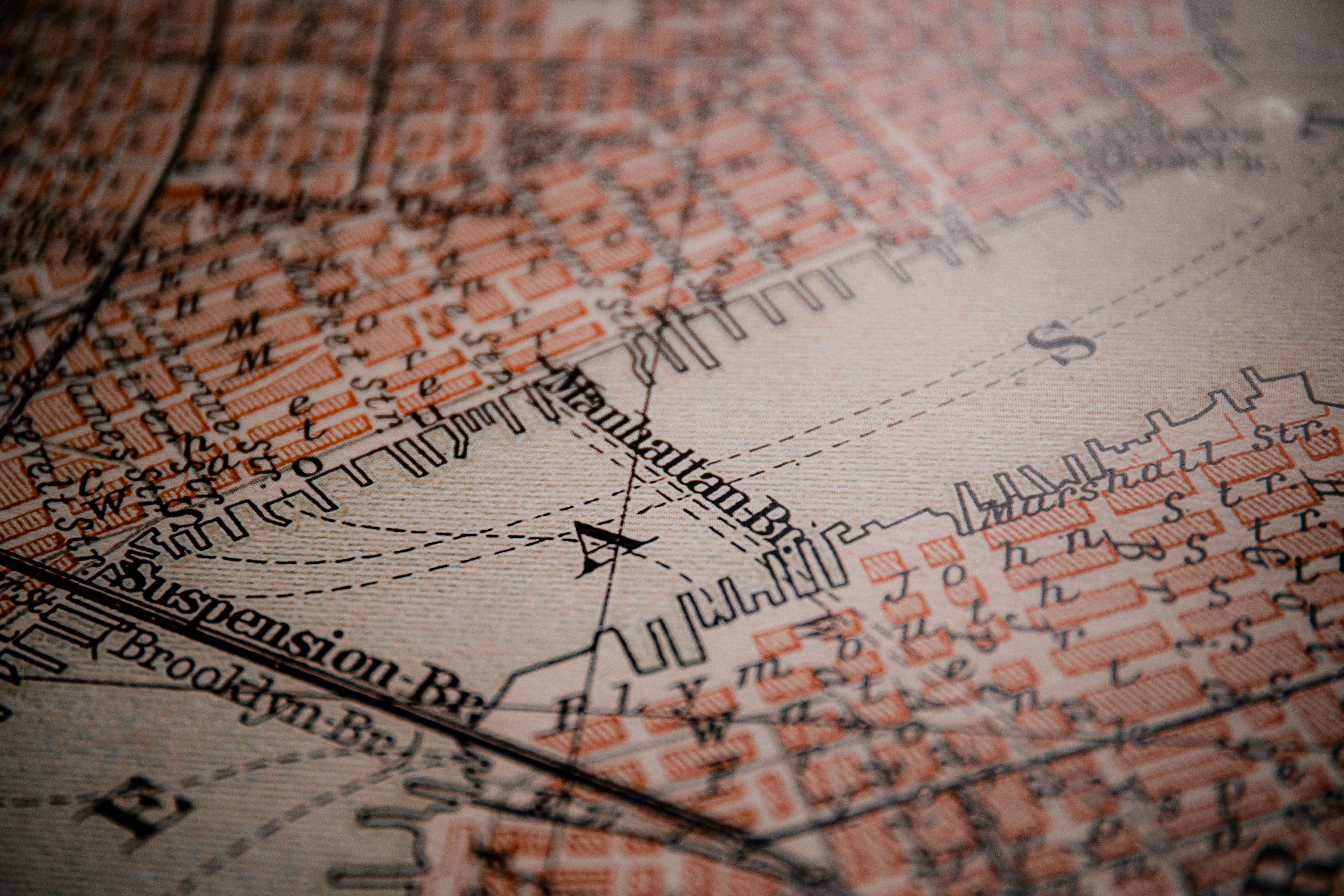
This thought came to me while I was exploring modern philosophy and intellectual writing. I found countless discussions surrounding increasingly complex questions, arguments, and distinctions. The truth is, there is nothing inherently wrong with complexity, as some ideas require deep thought to actually be understood. However, something I noticed was this: frequently, the discussion becomes more important than what is actually being discussed. People could spend thousands of words debating the precise meaning of an idea, without ever asking what difference the answer would make.
At that point, knowledge can begin to feel disconnected from actual understanding. We can learn more and more about an idea, while understanding less and less of what it means for the world outside of the conversation. And this problem is not at all limited to philosophy. In fact, it happens much more often than we realize. Whenever we become more concerned with preserving, defending, or arguing over an idea than with the reason that idea existed in the first place, we fall under this oversight.
In reality, complexity is not at all the problem. Complexity without purpose, however, is. There is nothing wrong with thinking deeply. The real problem occurs when we begin digging so deeply into an idea that we forget why we started digging in the first place. What matters most is remembering the purpose of an idea. That is how we make progress. Ideas never lose their meaning; we just forget them. Thank you for reading Social Science 43, and have a meaningful day.
Comments Section
Share your thoughts here!