The Psychology of Nostalgia
“Nostalgia is a file that removes the rough edges from the good old days.”
— Doug Larson
When we hear a song that we haven’t heard in years, we experience something fascinating. We may have completely forgotten about this song, but in seconds, we travel to somewhere else. It may take you back to a vacation with your family. It could bring you back to an old friend you haven’t seen in years. It could take you back to the halls of an old school. The amazing thing is, the song hasn’t changed. The moment is long gone, yet somehow, for a few seconds, you feel as if you are living it again. This is the strange power of nostalgia. A moment that isn’t happening, and only exists in our memories, can be taken and seem as if it is the present again.
The strange thing about nostalgia is, we have no control of it. It is very hard to bring back a moment on our own without triggers. These triggers, such as memorable events, intense emotions, or simply things that stood out to us, can be used to help bring back things surrounding them. Along with this, a song, a smell, a sight, a taste, and many other things can bring us back to a moment. I believe all of these things stuck with us for a reason. They give us memories that are either perfect or terrible, with hardly any in between. Negative memories that stick in our head are exaggerated, as are positive ones. The thrill of a roller coaster at an amusement park can make you forget that you had a sore throat. Going the other way, the death of a loved one can make you forget about the amazing dinner you had that day.
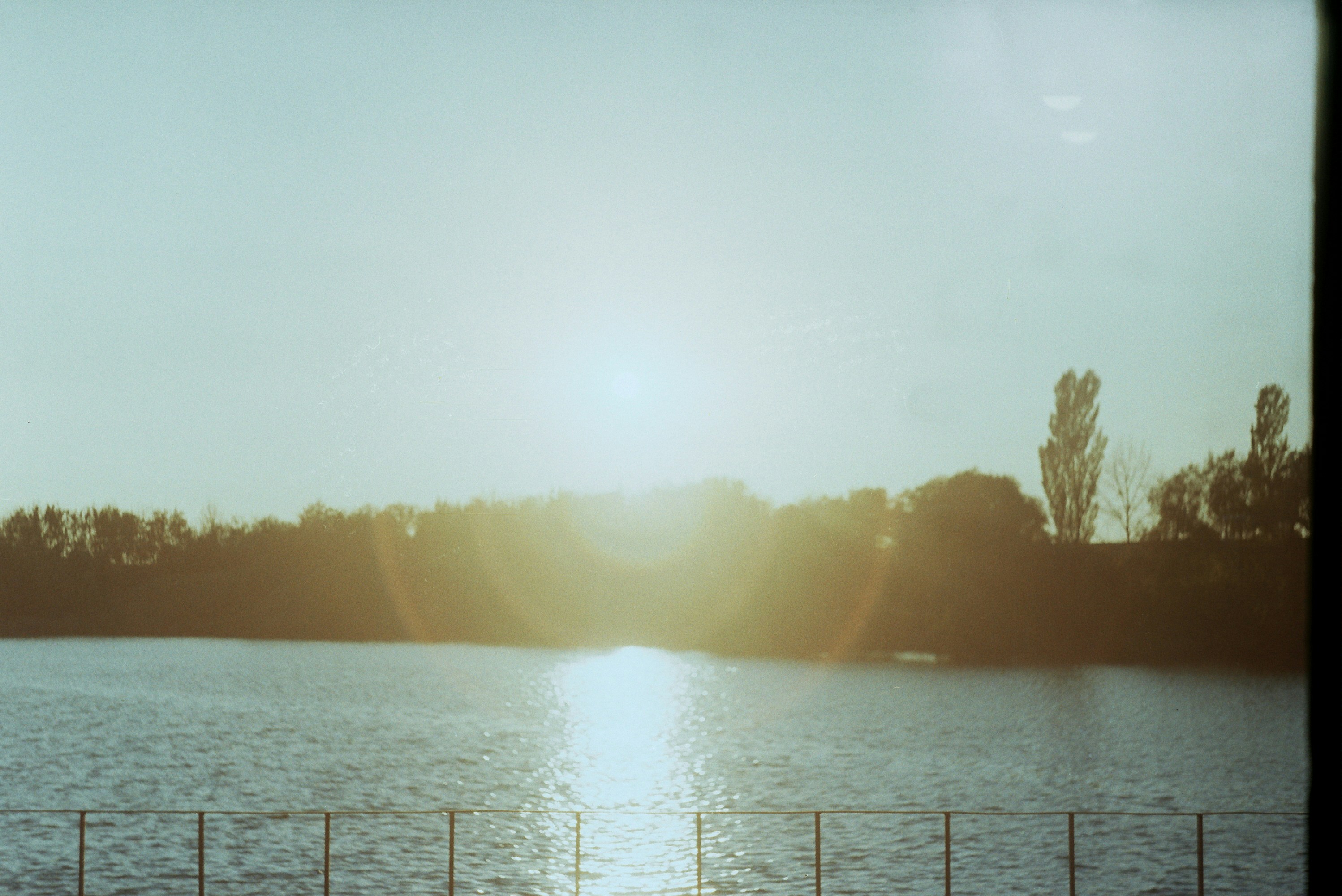
Nostalgia doesn’t just remind us of the past, it changes the way we experience it. Oftentimes, we remember moments as much more beautiful, meaningful, or significant than the way we lived them. The past becomes something of a story we tell ourselves, letting certain inconsistencies fade away. This does not make our memories false, but rather an inexact representation of what happened. Our mind naturally fills in blank spaces of what we don’t remember with a similar mood of what we do remember. If we remember a certain point in our lives as happy, the moments we have forgotten may become colored by that same feeling, even if they were not all equally happy when they actually happened.
The truth is, the present is constantly changing, and the future is uncertain. The only certainty is the past. Sometimes when we feel uncertain, or life becomes difficult, we look to the past for certainty. That is the origin of nostalgia. Even if we cannot experience the past, we can give ourselves a small piece of it. However, the illusion brought by nostalgia can hurt us if we don’t recognize its flaws. But when we do, the illusion can become a good thing, the beauty of nostalgia. Because it’s not about living in the past, but recognizing the way the past has shaped who we are today. Whether the moments we remember are joyful or painful, they are all pieces of us. And though we cannot experience them again, we can remember. Thank you for reading Social Science 43, and have a nostalgic day.
Comments Section
Share your thoughts here!