The Limits In Defining
Hello, and welcome back to Social Science 43. Before I begin today’s article, I would just like to acknowledge the major milestone this weekend marks. Exactly one year ago tomorrow, September 6, 2025, Social Science 43 officially began. Over the last year, this publication has seen its growth spurts, struggles, and major improvements. But most of all, the journey and experience that SS43 gave me was nothing short of amazing. I would like to thank everyone who has taken the time to read our articles and support us. It means so much more than you realize. Sincerely, thank you. Now, back to our regular scheduled program.
“To define is to limit.”
— Oscar Wilde
Without definitions, we would be unable to communicate. Words give us boundaries, which help us organize our enormous world. They give us a much simpler way to understand each other and express what we want to express. Definitions stabilize the much more vast and confusing reality of life. They help turn concepts that are difficult to understand into things that we can comprehend. Simply knowing that an entity is finite can be somewhat comforting. If we are able to comprehend their limits, they are undeniably easier to understand.
However, the same boundaries that help us understand something can also bring us to believe we have completely understood it. When we encounter something whose limits we cannot see and try to impose our own limits upon it, we restrict our own understanding. Disregarding the remaining parts of it can lead to false knowledge and stop our own boundaries from growing. Defining something before we know its actual limits is simply lying to ourselves.
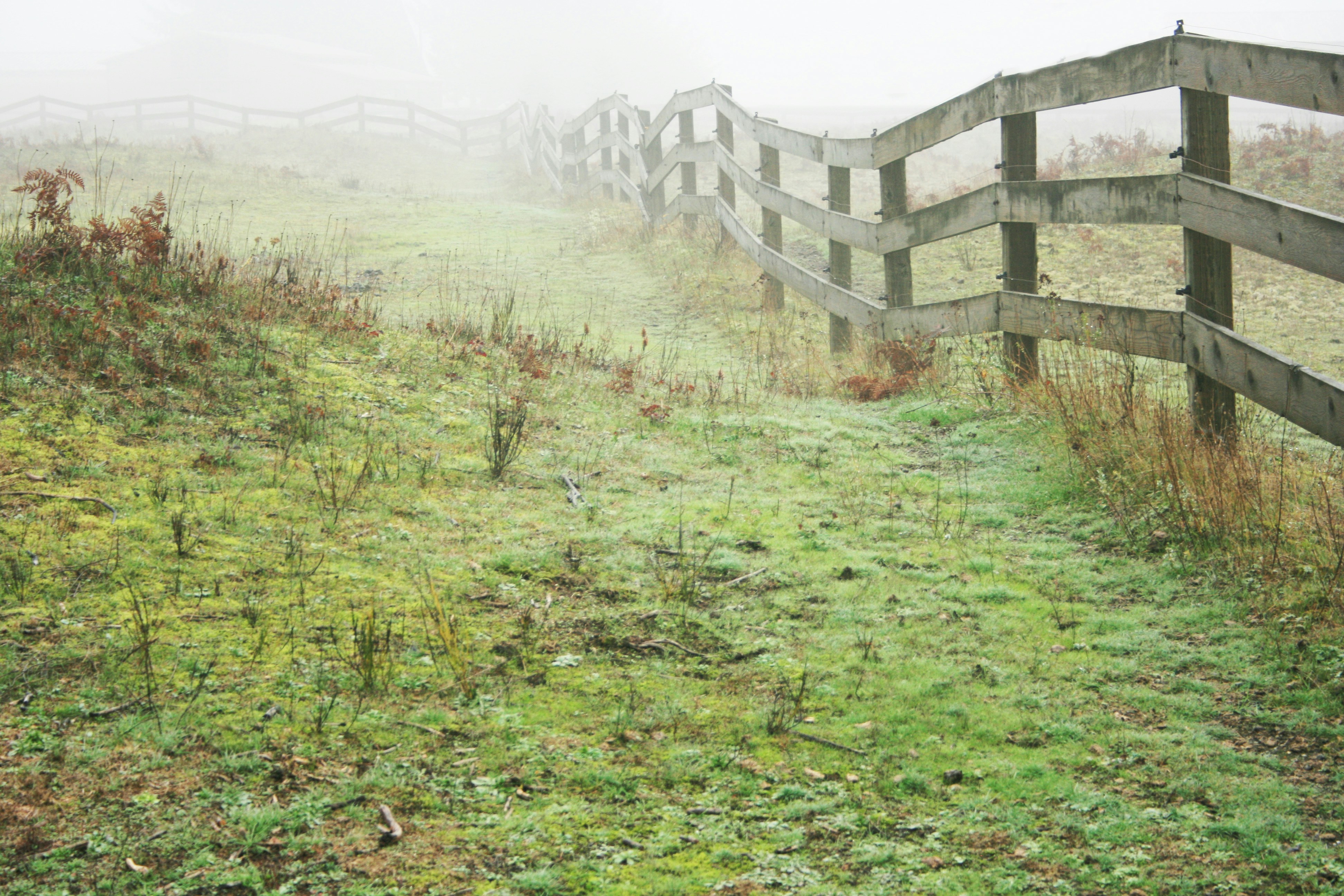
In our eyes, someone may be quiet, intelligent, rude, or many different traits. When we see this from our perspective, we define them by instinct. Suddenly, that label becomes our entire perception of them. The way we see it, they are nothing more than this. This act differentiates our perspectives from the truth. Limiting someone to a label so small is hiding yourself from what is true.
We don’t only define others, and it is not our biggest mistake in this case. Defining ourselves is much more of an issue. Saying something like, “I’m just not good at this” is simply limiting ourselves from what we are capable of. The reality of the situation is that we may not be good at something, but it doesn’t mean we must remain the same forever. We can define our state in the present, but the same cannot be said for the possibilities of the future.
Definitions are by no means wrong, but we should hold them loosely rather than fully relying on them. A definition should help us understand something, not prevent us from discovering what else it can become. To define is to limit. But perhaps the real danger isn’t the act of defining. It’s believing that the definition is all there is. Thank you for reading Social Science 43, and have an unlimited day.
Comments Section
Share your thoughts here!