The Impact of Revolutions
“The object of life is not to be on the side of the majority, but to escape finding oneself in the ranks of the insane.”
— Marcus Aurelius, Meditations 6.29
Revolutions play a major role in history, as they have shaped the way we act and think today. Without realizing that we can only change things when we take charge, we would never make progress. Humans treating other humans unfairly is natural, but if you never try to fix things, you will be subject to persecution and unfair treatment forever. With the mindset of taking charge towards our aspirations, we will make extraordinary progress. Along with this, we will learn the substantial value of unity and justice for our counterparts. Now, let me take you through the great history of revolutions and what we have learned from them.
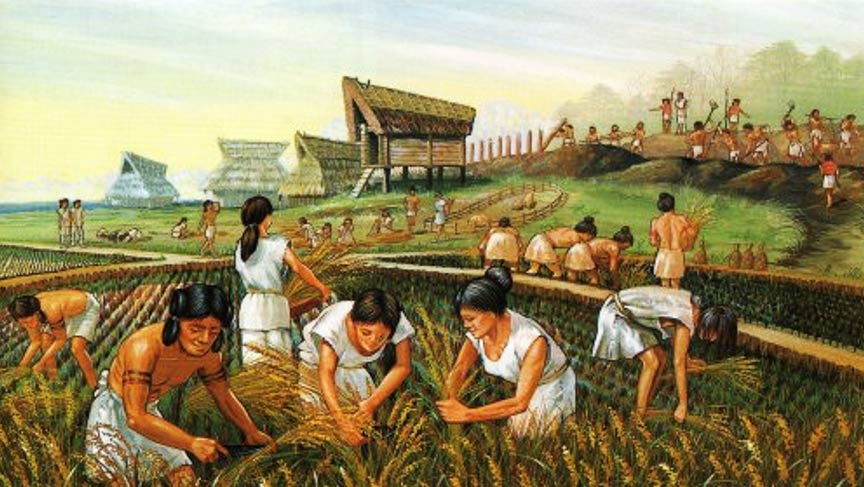
The first known revolution was the Neolithic Revolution, which took place over 10,000 years ago. Obviously, little is known about it overall, as it was prehistoric. Regardless, we know enough of it to recognize its impact in history. The Neolithic Revolution was a period in time where, as a result of climate change following the last ice age, hunting and gathering as the source of food transitioned into agricultural communities. Because of this, the earliest known civilizations were formed, like Ancient Mesopotamia of the Tigris and Euphrates Rivers. Without this transition of our way of thinking and acting, humanity would not have advanced towards the civilizations of history and the nations of today.
Another extremely crucial revolution in history was the Industrial Revolution, which also came with many downsides. This occurred mainly as a result of political stability after the Glorious Revolution of the late 1600s, where a peaceful transition of power towards common faith, liberties, and values transpired. Productivity and innovation began spiraling, and inventions like the steam engine began improving manufacturing and production. The Industrial Revolution didn’t just cause economic growth, but also social challenges like pollution, poor sanitation, and dangerous working conditions. This actually helped labor reforms, though, as child labor laws and government regulations improved public health standards, sparked by the consequences of the Industrial Revolution.
As we began to move forward in technology, we also began to challenge political systems that restricted freedom and fairness. Ideals of liberty were popularized in the late 1700s, when the French Revolution occurred. The economy in France was completely unstable, being entirely bankrupt, and having major social inequality with unfair treatment of the people. With the union of the people, they rose to overthrow the inequality practiced. Yet, the revolution was unstable and led to tyranny and the rise of Napoleon Bonaparte. Despite this, the French Revolution shows that, when we speak out together against unfairness, great impact will come about.
There are so many revolutions that have occurred throughout history, shaping the way we think today, many that I did not mention. But these revolutions all show that progress begins with defiance. If we never change the way we think, or try to express our aspirations, we will never move forward. Whether it’s innovation or protest, revolutions unite us, and fix inequity. Today, we protest, speak out, and expostulate against what we think is wrong, and this is all because of the impact of revolutions. Thank you for reading Social Science 43, and have a stupendous day.
Comments Section
Share your thoughts here!